
Become a CTeL Member today!
What We Do.
-
We conduct research, develop educational resources, and educate policymakers and healthcare professionals on the benefits and challenges of digital health. Our goal is to shape a legal and policy environment that enables technology to improve patient outcomes and enhance the delivery of healthcare services.
-
We work with government agencies, industry associations, and other stakeholders to educate for policies and initiatives that promote access, equity, and safety in technology-enabled healthcare. Our education efforts include participating in rule-making processes, providing comments on proposed regulations, and collaborating with other organizations to promote digital health policy priorities.
-
We offer webinars, Summits, and other educational opportunities to help healthcare providers, legal and regulatory professionals, and policymakers stay informed and up to date on the latest developments in digital health and related legal and regulatory issues.escription
-
We provide a platform for our members to connect, collaborate, and share best practices and insights on digital health offerings. Our members include healthcare providers, large and midsize employers, legal and regulatory professionals, policymakers, industry associations, patient advocates, and other stakeholders.
Join us June 4th for our Virtual Foundations in Digital Health Bootcamp
Virtual Digital Health Bootcamp
It can cost upwards of $500,000 for a partner to train and educate a new associate or attorney on the skills they need to bring value to the firm. CTeL is here to help your firm save money and dive deeper into digital health law FASTER!
Learn directly from a collection of field experts as you dive into the important aspects of:


Featured Resource:

Discover the transformative impact of telehealth on health equity in URAC's April 2024 Telehealth Health Equity White Paper. This insightful document examines how telehealth can extend healthcare access and tackle longstanding barriers in underserved communities. Key highlights include:
Overcoming Barriers: Uncover the role of telehealth in eliminating geographical and financial obstacles, and making healthcare more accessible.
Tackling the Digital Divide: Explore effective strategies to address the technological disparities impacting telehealth services.
Innovative Case Studies: Gain insights from real-world applications and expert analysis on enhancing healthcare delivery for equitable access.
This white paper is an essential read for healthcare professionals, policymakers, and advocates aiming to leverage telehealth for broader health equity. Access detailed perspectives and actionable solutions to shape the future of inclusive healthcare.
URAC's Telehealth Health Equity White Paper
Latest Policy Updates
-
Each Friday, CTeL members can join us for a live broadcast of the pressing policy issues facing telehealth that week. We'll give a brief overview of policy changes in the administration, state-level, and highlight any legislation updates in Congress.
-
Each week, the CTeL newsletter highlights the news you need to know as it relates to telehealth, health policy, digital health, emerging technologies, remote patient monitoring, events, and more. Don't miss an edition, subscribe to receive the "buzz" directly to your inbox each week.
-
Do you have a specific telehealth policy questin you need help answering? We’re here to help!
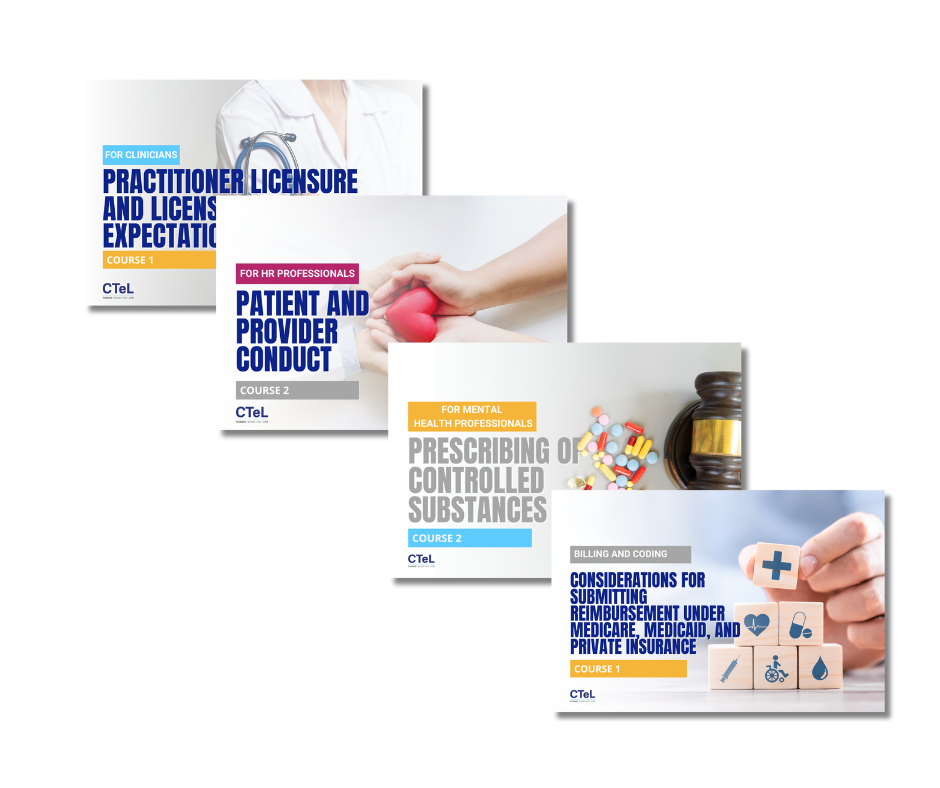
Educational Offerings
-
The long awaited, Digital Health Policy Professional Program is here! In partnership with CFC and Lloyds of London, CTeL has developed a comprehensive certificate program with the diverse telehealth landscape in mind. For more information on this program, visit: www.ctelcert.org.
-
Check back for the latest webinar featuring telehealth technology, policy updates, and more!
-
Join URAC, The Center for Telehealth and eHealth Law (CTeL), AbleTo and Gateway Rehab for a discussion on why it’s so important to have quality data collection in your digital health program. You’ll learn how AbleTo and Gateway Rehab use data to inform care and how CTeL uses data to inform policy and support legislation.
Upcoming Events
-
CTeL Summits are attended by industry decision-makers and stakeholders who are working within the telehealth field or are interested in implementing a telehealth program at their healthcare system or practice. These events are equally beneficial for both the novice and the seasoned telehealth veteran. Whether you are a thought leader, policymaker, or industry professional, the CTeL summits are a must-attend event to stay informed about the latest developments in telehealth. Join us to connect with peers, engage with policymakers, and explore the future of telehealth in a collaborative and interactive setting.
-
CTeL members have access to monthly working groups which focus on a number of specific topic areas. Check out your monthly events calendar for more information.
-
June 4, 2024 12:00 to 3:00 PM ET
As the landscape of healthcare continues to evolve, the legal considerations surrounding virtual care have become increasingly vital. To support attorneys in navigating this complex field, we invite your esteemed law firm to invest in the Fundamentals in Digital Health Law Seminar. This half-day virtual event will equip your attorneys with the fundamental knowledge and skills necessary to excel in digital health law, focusing on state and federal telehealth, remote patient monitoring (RPM), and artificial intelligence (AI).
At CTeL, we believe in delivering the highest standard of services to our members. To achieve this, we've assembled a team of distinguished experts and advisors who bring a wealth of knowledge, experience, and vision to our mission of driving quality telehealth into the future.

Subscribe to our Newsletter
Each week, get the latest telehealth and digital health news right to your inbox.

Weekly Policy Scoop
Weekly policy scoops are circulated each week and streamed on LinkedIn Live, keeping members up to date on all digital health developments taking place in the administration, Congress, and regionally.